A shared vocabulary you can build on
The Common Core Ontologies are a mid-level suite of eleven logically defined ontologies that extend Basic Formal Ontology — one consistent set of terms to describe agents, artifacts, events and information across every domain.
A data foundation
you can build on
Different systems each name a person, a measurement or an event in their own way, and merging them becomes guesswork. The Common Core Ontologies give both sides one set of well-defined terms, so the meaning travels with the data instead of being re-negotiated column by column. For teams putting shared vocabularies to work in pipelines and analytics, AI, machine learning and data engineering services help connect the ontology to production data.
Every class carries a written definition and a fixed place in the hierarchy, from the broadest category down to a specific measurement or name. Import the suite once and your data speaks the same language as everyone else who builds on it.
A definition for every term
Open any class in the repository and you get its elucidation, its parent, its subtypes and the relations that connect it — the same way for all eleven ontologies.
Terms defined once, reused everywhere
Every class carries a written elucidation and a place in the hierarchy, from Information Content Entity down to specific kinds such as a measurement or a name. Anyone importing the suite works from the same definitions.
- Human-readable elucidations for every term
- Each term placed under a Basic Formal Ontology category
- Relations that connect the classes into a graph
What the suite gives you
ontologies, one consistent suite
Agents, artifacts, events, information, qualities, units and the relations between them, released together and checked for logical consistency.
Mid-level by design
Sits between top-level BFO categories and your domain terms.
Built for integration
Shared upper terms let separate datasets align on meaning.
Standards-grounded
Conformant with Basic Formal Ontology, the ISO/IEC 21838 top-level standard, and adopted as a baseline across defence and intelligence data work.
A connected graph
Object properties such as has agent, has input and prescribes weave the classes into a navigable whole.
Eleven ontologies, one import
Each ontology covers a part of reality that recurs across domains. Together they form the mid-level layer of the architecture.
Agent Ontology
Persons, organisations and the agent roles they play in acts.
Artifact Ontology
Designed objects, their functions and the material they are made of.
Event Ontology
Acts, processes and how they precede and contain one another.
Information Entity Ontology
Descriptions, directives, designators and measurements.
Quality Ontology
Force, pressure, temperature, hardness and spatial extent.
Units of Measure Ontology
Measurement units and the reference systems behind them.
Grounded in Basic Formal Ontology
CCO does not start from scratch. It specialises the domain-neutral categories of Basic Formal Ontology, the ISO/IEC 21838 top-level standard, so that its mid-level terms inherit a rigorous, widely reviewed foundation.
- Continuants and occurrents kept clearly apart
- Qualities, functions and roles modelled explicitly
- Your domain ontology extends CCO, CCO extends BFO
Notes on the ontologies

What are the Common Core Ontologies?
A short tour of the mid-level suite, why it exists and what a mid-level ontology actually does.
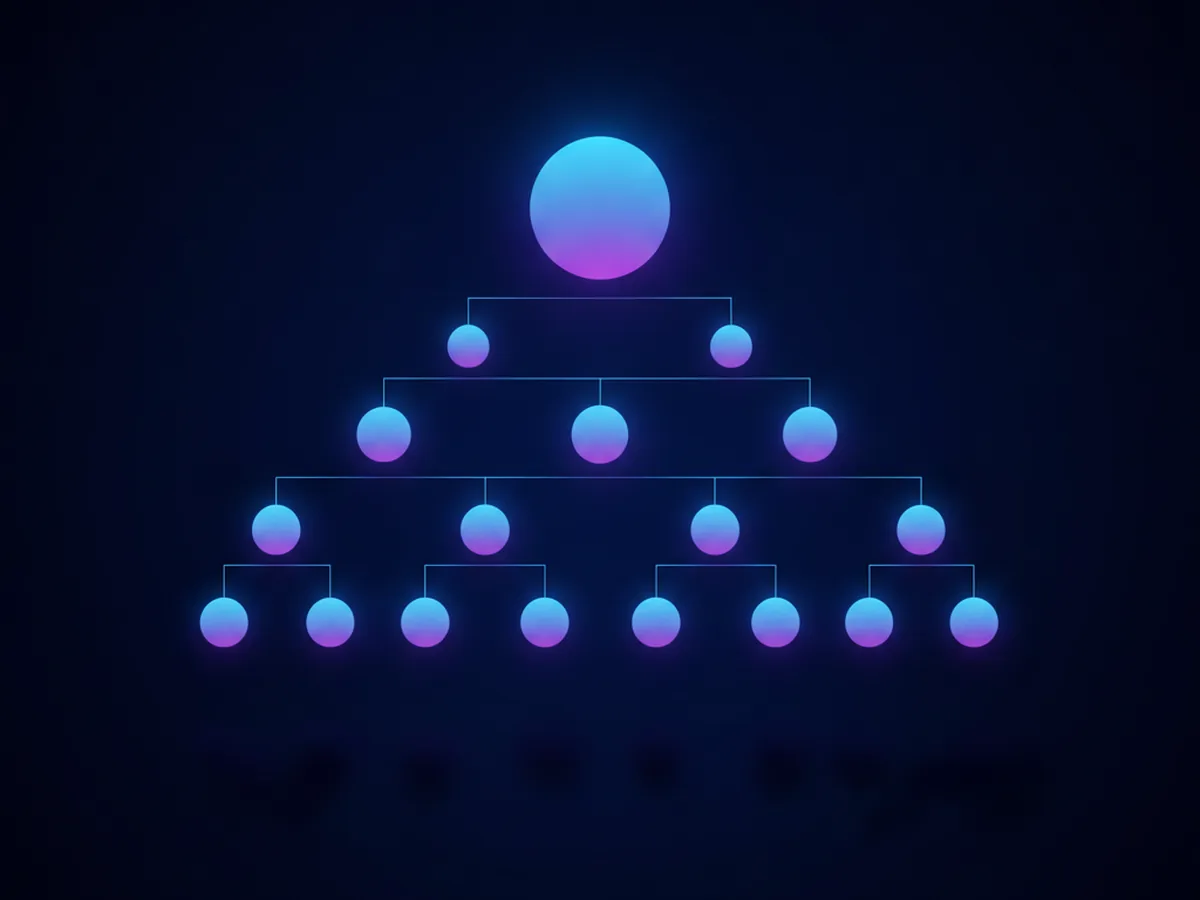
How CCO builds on Basic Formal Ontology
CCO does not invent its top categories. It specialises the domain-neutral distinctions of BFO. Here is how that works.

Using CCO for data interoperability
Shared meaning is the hard part of joining datasets. A common mid-level ontology is one durable way to get it.
Start from a common core
Import the released suite, browse the term index, or read how the ontologies fit together before you build on them.